Why Soil Matters First
Before you pick a tree or grab a shovel, take time to look at the ground itself. In Wisconsin, Minnesota, and Iowa, soil can vary dramatically from sandy loam to heavy clay. Each type holds water differently, warms at a different pace in spring, and supports roots in its own way. A tree planted without thought for these conditions is more likely to struggle later. Good soil assessment means noticing drainage patterns, compaction, and existing underground obstacles long before planting begins.
When the soil is right, roots can spread naturally and tap both moisture and nutrients. If it’s not, even proper tree planting won’t give the tree its best start. Understanding your site’s soil profile helps you choose the right tree species for the conditions and decide how best to amend or prepare the planting area.
The Role of Root Growth in Establishment
Strong roots define a tree’s ability to stand up to drought, cold snaps, and strong winds. In colder climates like the upper Midwest, trees need deep, well-distributed root systems that can access water throughout the growing season. Soil that stays saturated for days after rain can suffocate roots, while soil that dries quickly can hinder long-term stability.
For this reason, paying attention to how roots develop is just as important as the planting moment itself. Stem girdling roots can form when roots circle back toward the trunk instead of spreading outward. This problem often starts early when roots don’t have the space or conditions they need. Understanding root behavior in relation to soil helps you avoid common issues that don’t always show up until years after planting.
Matching Trees to Micro-Conditions
Every yard or landscape has micro-conditions. One corner might be sheltered and moist, while another is exposed and dry. Light levels, wind exposure, and neighboring plants all affect how a tree will perform. Take the time to map these variations before making final decisions about placement.
A thoughtful landscaping contractor will help you see these subtleties. Matching the right tree to the right spot means the tree doesn’t have to struggle to adapt once it’s in the ground. It also reduces the need for corrective work later, whether that’s pruning for structure or dealing with stress caused by less-than-ideal site conditions.
After the Hole Is Dug: What Comes Next
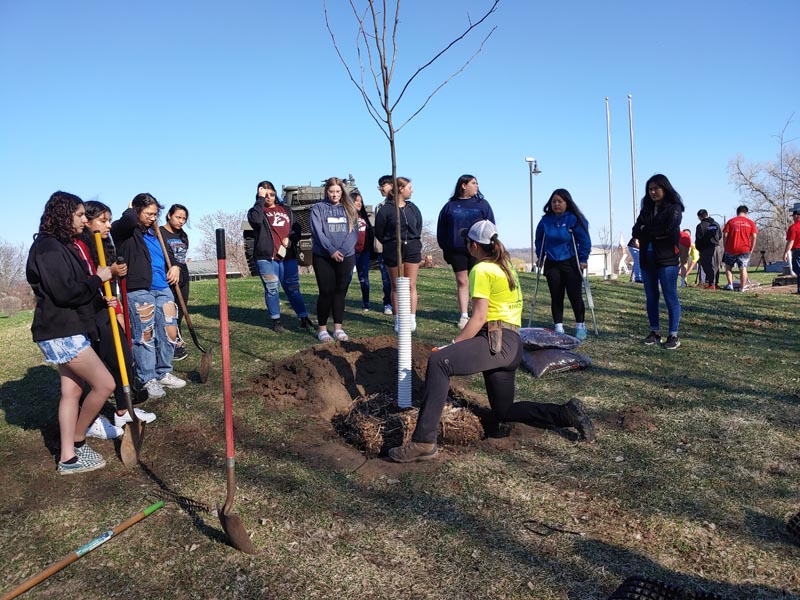
Once you’ve evaluated soil and site, and chosen a location that fits your tree’s needs, you can focus on the planting process. Digging the planting hole to fit the tree’s root system without excess depth is critical, but it isn’t the only consideration. Amending soil where necessary, avoiding compaction when backfilling, and keeping the surrounding area clear of competing vegetation give roots the room they need to expand.
Tree planting depth affects oxygen availability to roots just as much as soil type does. Getting this right is fundamental to a successful establishment phase. But beyond that first day, continuing to observe how the soil and trees interact through changing seasons helps you make small adjustments that benefit long-term health.
A Long-Term View on Early Decisions
Trees aren’t built overnight. They reflect the conditions they’re given in their first years and decades. By focusing first on soil and site, you give a young tree a genuine chance to thrive. Rather than seeing planting as a simple one-time event, consider it the first step in a process that values observation, patience, and understanding of the land.