Description
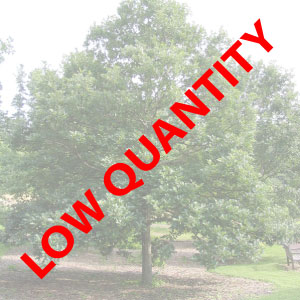
Quercus alba / White Oak
Planting Points: One of the most iconic and long‑lived North American shade trees—often surviving centuries. Develops a massive, spreading crown with strong, picturesque branching. Very deep‑rooted, making it more drought‑resistant once established but slow to transplant—choose site carefully. Produces sweet, wildlife‑preferred acorns, typically in seasons of heavy and light cycles. Slow to moderate growth—rewarded by exceptional longevity and storm resistance. Sensitive to soil compaction, road salt, pollution, and major soil disturbances. Mulch to protect root zone and promote cool, moist soil. Avoid significant pruning—best done during dormancy to reduce risk of oak wilt (late fall/winter). Benefits from being planted in large, open spaces with healthy native soils.
Siting This Tree: Ideal for large residential lots, estates, farms, and naturalized landscapes. Excellent in parks, campuses, and open lawn areas where its full crown can develop. Not recommended for confined urban sites, small yards, or areas with compacted or alkaline soils. Perfect anchor for native landscape designs, pollinator gardens, and wildlife habitats. Stunning as a solitary specimen, showing off its branching, bark, and massive crown.