Description
Prunus maackii / Amur Chokecherry
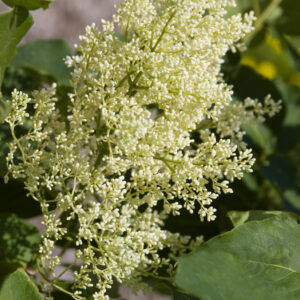
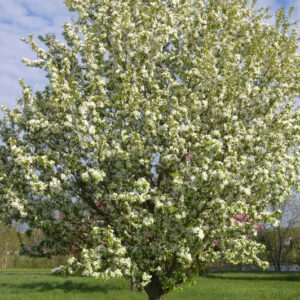
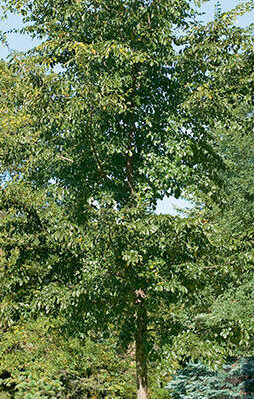
Planting Points: Famous for its glossy, coppery‑bronze to cinnamon‑colored peeling bark, offering exceptional winter interest. Produces fragrant white flower clusters in spring, followed by small black fruit—attractive to birds. Fast‑growing, with a rounded or upright‑oval crown. Very cold‑hardy, tolerant of urban pollution, and strong in windy northern sites. Requires consistent moisture when young; becomes drought‑tolerant with maturity. Resistant to many pests but susceptible to black knot, a common Prunus disease—avoid planting near infected cherries or plums. Prune during dormancy to reduce disease risk; avoid heavy summer pruning. Bark color improves with age—older specimens show the richest tones.
Siting This Tree: Excellent four‑season ornamental for northern landscapes. Ideal for residential yards, parks, campuses, and boulevards. Works beautifully as a specimen tree, especially where bark can be viewed up close (patios, walkways, entries). Performs well in windbreaks, larger beds, or mixed deciduous plantings. Avoid excessively wet or poorly drained sites.