Description
Aesculus glabra / Ohio Buckeye
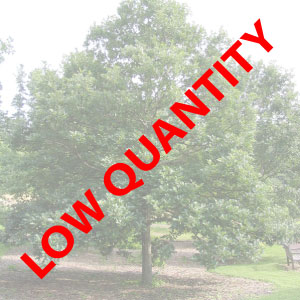
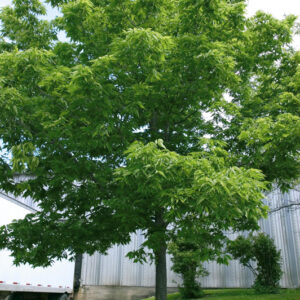
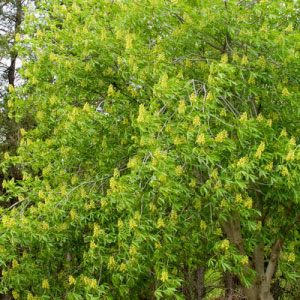
Planting Points: One of the earliest trees to leaf out in spring; also, among the earliest to drop leaves in late summer during drought. Produces yellow-green spring flowers followed by the characteristic buckeye nuts in autumn. It has a naturally rounded, sometimes irregular form; prune only to remove crossing or damaged branches. Sensitive to heat and drought—may develop leaf scorch or early leaf drop in hot, dry seasons. Mulch helps keep roots cool and soil evenly moist. Generally, pest-resistant and hardy in Midwestern conditions. Not ideal near high-traffic areas where the nuts may pose cleanup considerations.
Siting This Tree: Best in naturalized areas, woodland edges, and large residential landscapes. Suitable for parks, acreage properties, and wildlife-friendly plantings. Provides nectar for early pollinators and nuts for wildlife interest. Plant where moderate soil moisture is available—avoid extremely dry or exposed sites. Not recommended for tight urban spaces or street tree use due to drought sensitivity and fruit drop. Pairs well with native shrubs like viburnum, serviceberry, and dogwood.